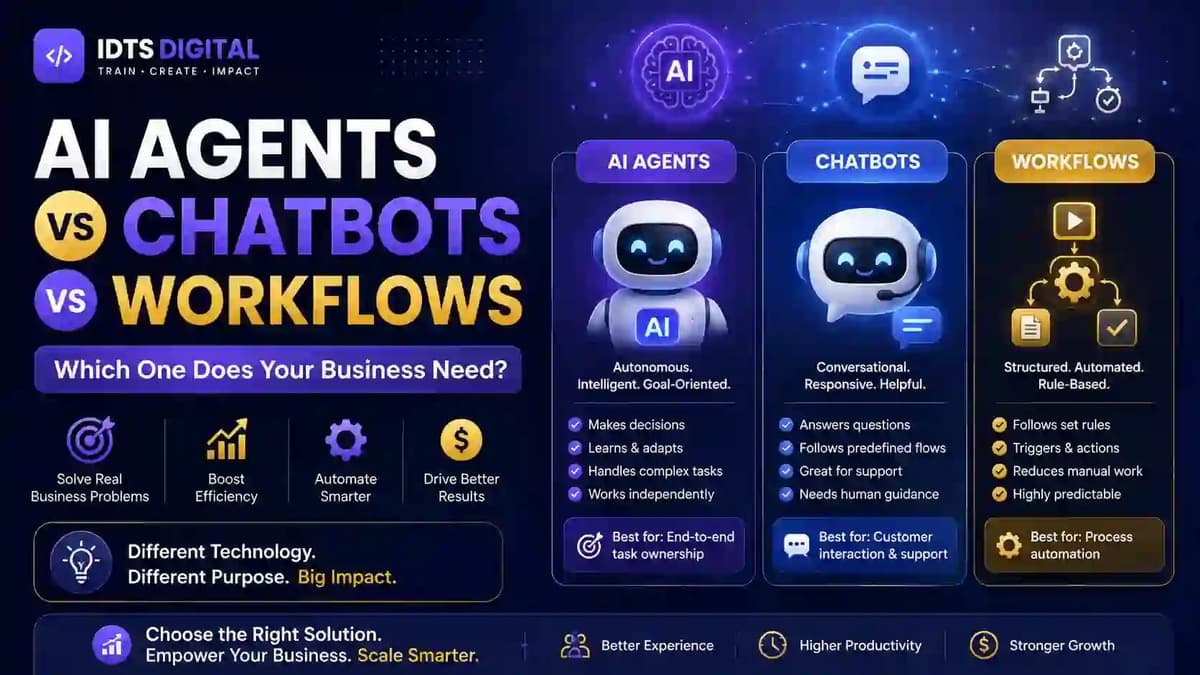
An 'AI agent' sounds intimidating, but at its core it's just three things: a trigger, a language model making decisions, and a set of tools it can call. You can build a genuinely useful version of this with no-code tools like n8n or Make, connected to an LLM API, in an afternoon.
Start narrow. Pick one repetitive task — answering common support questions, summarizing incoming leads, or drafting first-pass replies to emails. Map out the steps a human currently takes, then translate each step into a node in your automation: fetch the data, pass it to the model with clear instructions, take an action with the result.
The biggest mistake beginners make is asking the agent to do too much in one step. Break the task into smaller, verifiable stages, and add a human-approval step before anything irreversible happens (sending an email, updating a record). This keeps your first agent safe while you learn its failure modes.
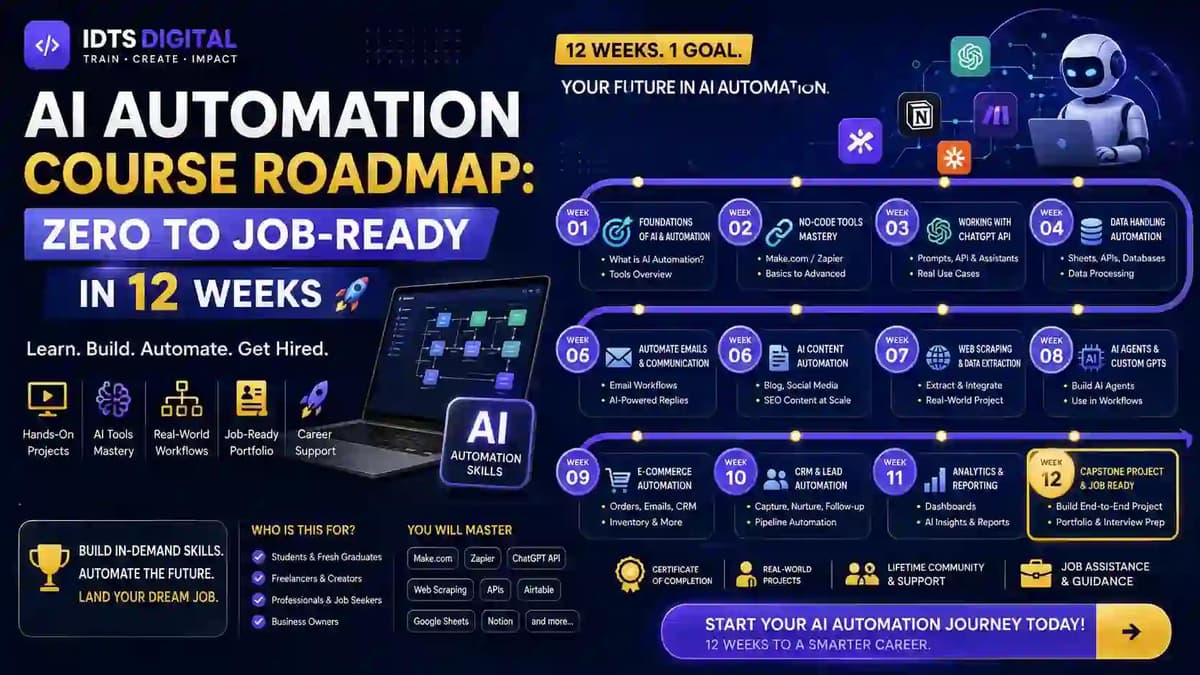
Once it's reliable, layer in memory (so it remembers context across a conversation) and additional tools (so it can look things up, not just generate text). That's the same architecture we teach end-to-end — with production deployment — in our AI Automation & AI Agents course.